Plastic Waste Recycling
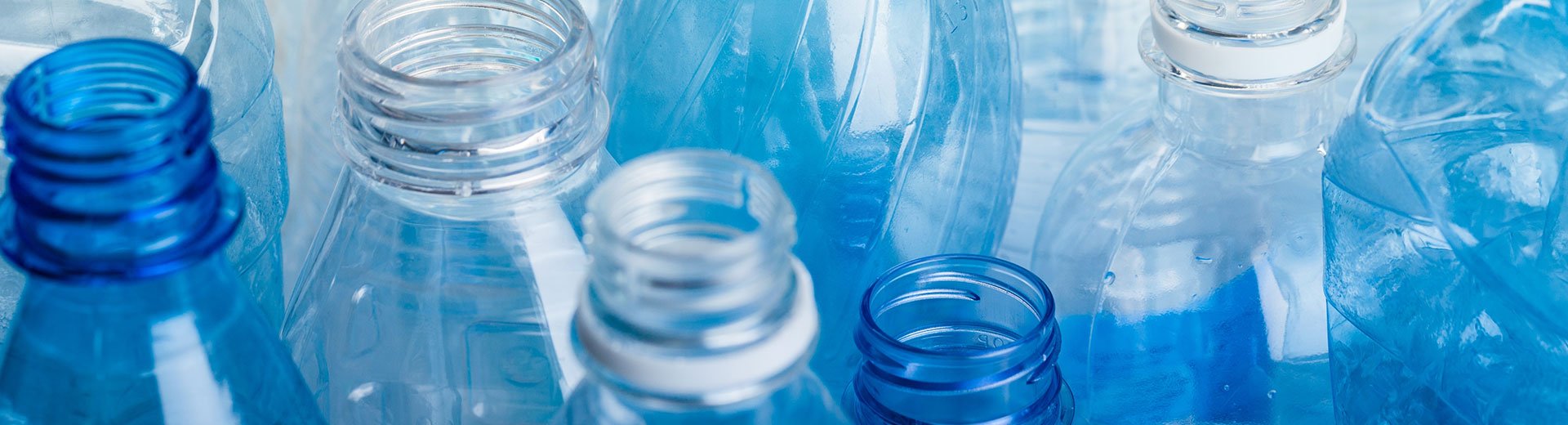
Plastic waste is a hot topic, and companies can drastically improve their plastic waste recycling rates by making a few small changes. The implementation of Cawleys’ Infinity scheme can help organisations segregate plastic drinks bottles, making it easier to recycle and improve overall plastic recycling performance.
By adopting a proactive approach to plastic waste recycling, your business can significantly reduce its environmental footprint while ensuring full compliance with evolving UK legislation. As the UK moves toward a more circular economy, the way we handle common materials—from cleaning product containers to industrial wrap—has never been more critical for corporate responsibility and cost management within modern waste management systems.
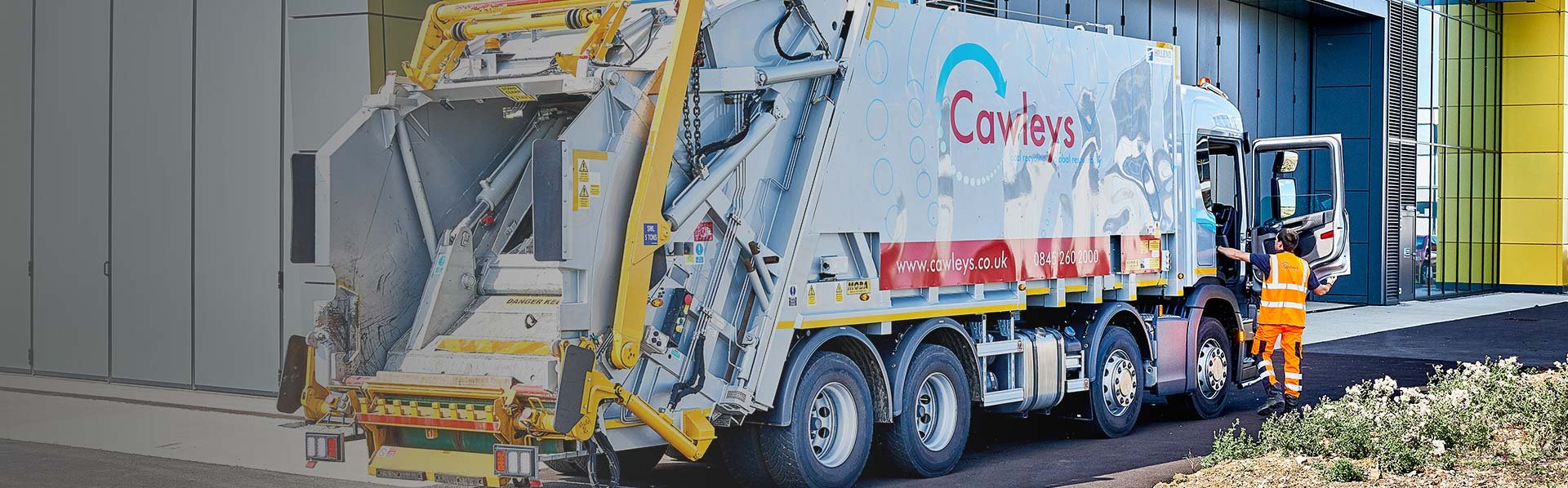
Plastic Waste Doesn't Have to Be a Problem
Every year, UK businesses produce over 2 million tonnes of plastic packaging waste, contributing to rising waste volumes nationwide. Without a robust strategy for handling plastic waste, a significant portion of this material becomes a liability rather than a resource. Mixed or contaminated plastics often end up in landfill or incineration, at a high recycling cost to your business and a severe environmental impact. With the introduction of the UK Plastic Packaging Tax (PPT) and Extended Producer Responsibility (EPR) regulations, compliant and efficient plastic recycling is no longer optional; it is a business necessity within effective waste management.
At Cawleys, we transform this challenge into an opportunity through our plastic waste recycling services, supporting responsible waste management plastic recycling across multiple sectors. By understanding the chemical properties of different polymers and implementing smart segregation at the source, we ensure that your plastic waste is diverted from landfills and pushed back into the manufacturing cycle.
Whether you are dealing with post-industrial scrap, plastic bottles, plastic bags, or everyday office plastic waste, our bespoke collection services and efficient recycling of plastic waste are designed to maximise recovery rates and minimise your overall carbon footprint.
Plastic Types We Recycle
Cawleys can deal with many types of plastic waste:
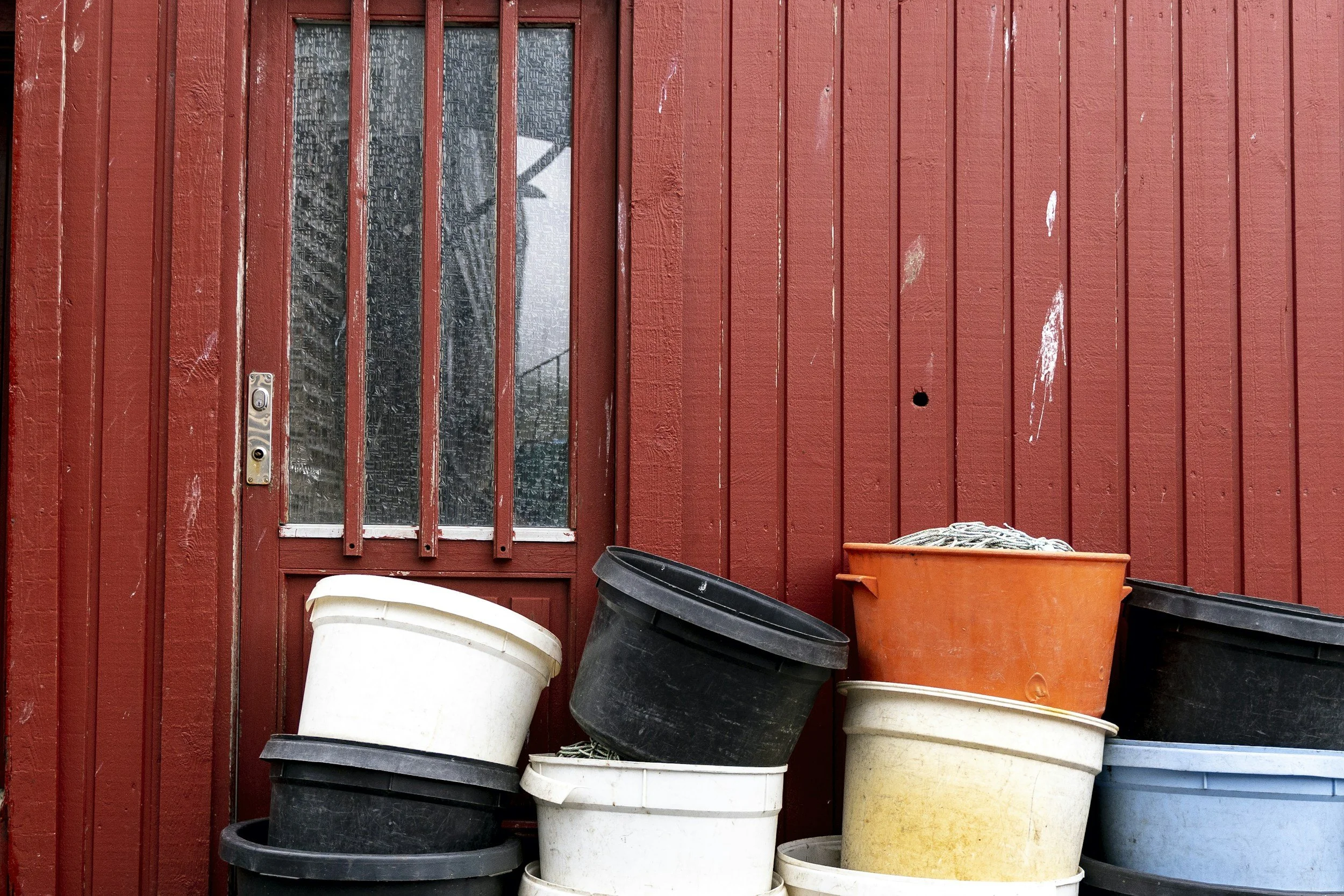
PP – Polypropylene
(eg, buckets, trays, crates, Correx, food pots, and automotive parts)
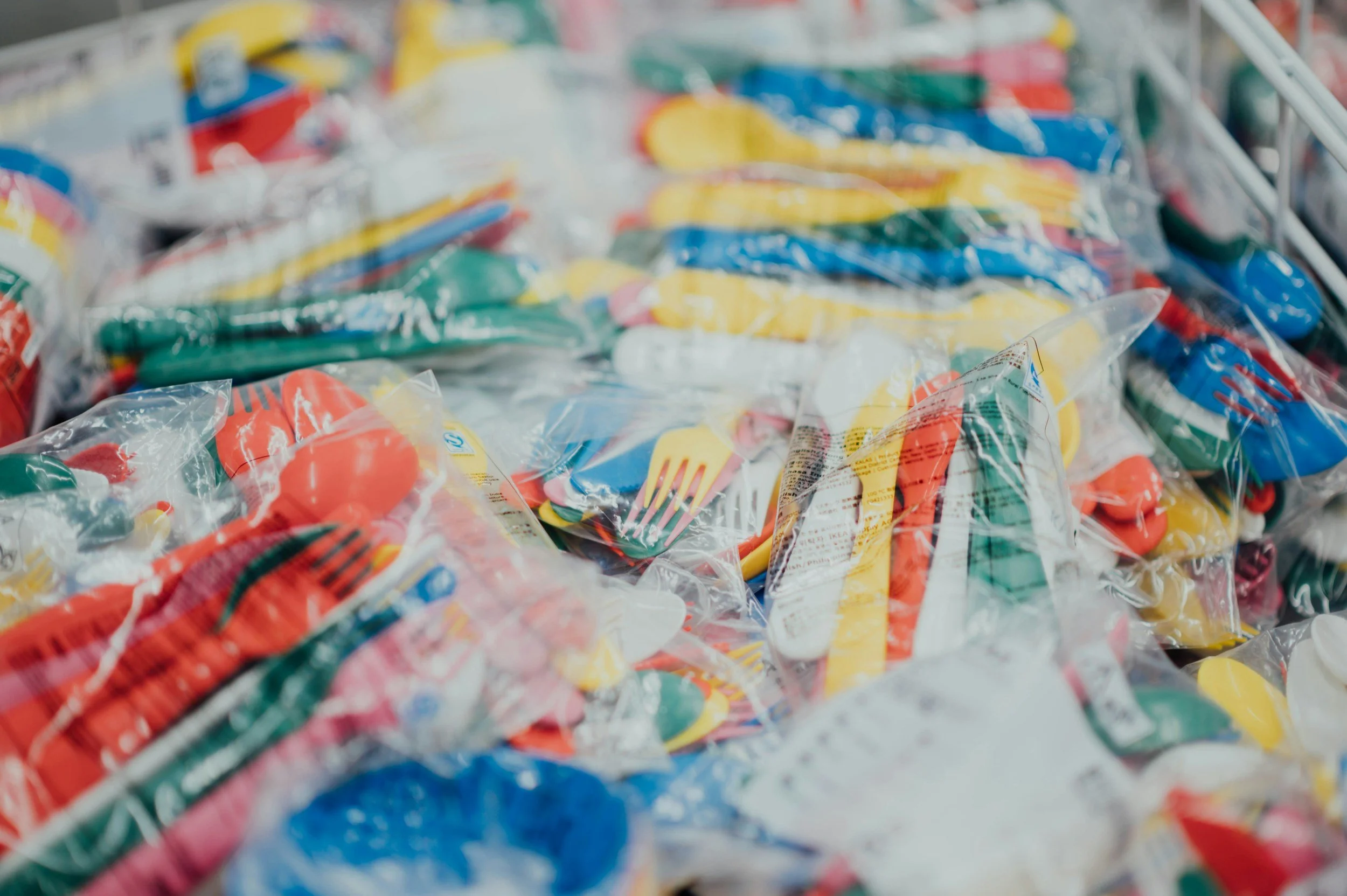
PS – Polystyrene
(eg, tubs, trays, cup lids, and disposable cutlery)
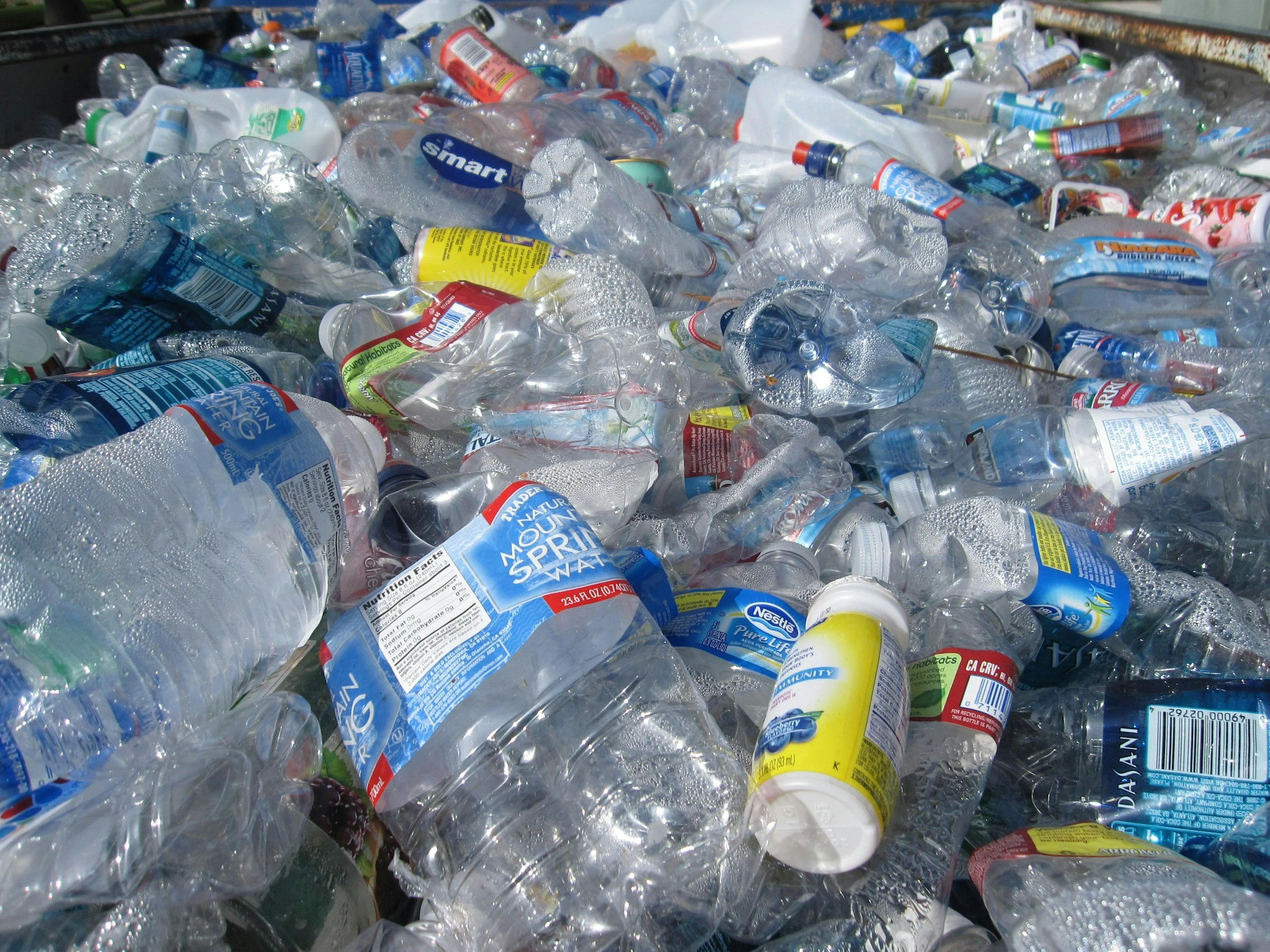
PET – Polyethylene Terephthalate
commonly used in food packaging and [lastic bottles (eg: fizzy drinks bottles, clear sandwich packaging, and mouthwash bottles).
HDPE – High-Density Polyethene
(eg, milk bottles, shampoo containers, and piping).

EPS – Expanded Polystyrene
(eg, reduced packaging blocks and insulation).
Understanding these classifications is vital for effective plastic waste recycling and management. For instance, PET and HDPE are highly sought after by reprocessors within the recycling industry, but their value depends entirely on the absence of contamination in the plastic waste stream.
By partnering with Cawleys, you gain access to our expertise in identifying and separating these polymers, ensuring you achieve the highest possible recycling rebates and maintain a clean plastic waste stream while contributing to improved plastic recycling rates.
Bespoke Equipment for Maximum Efficiency
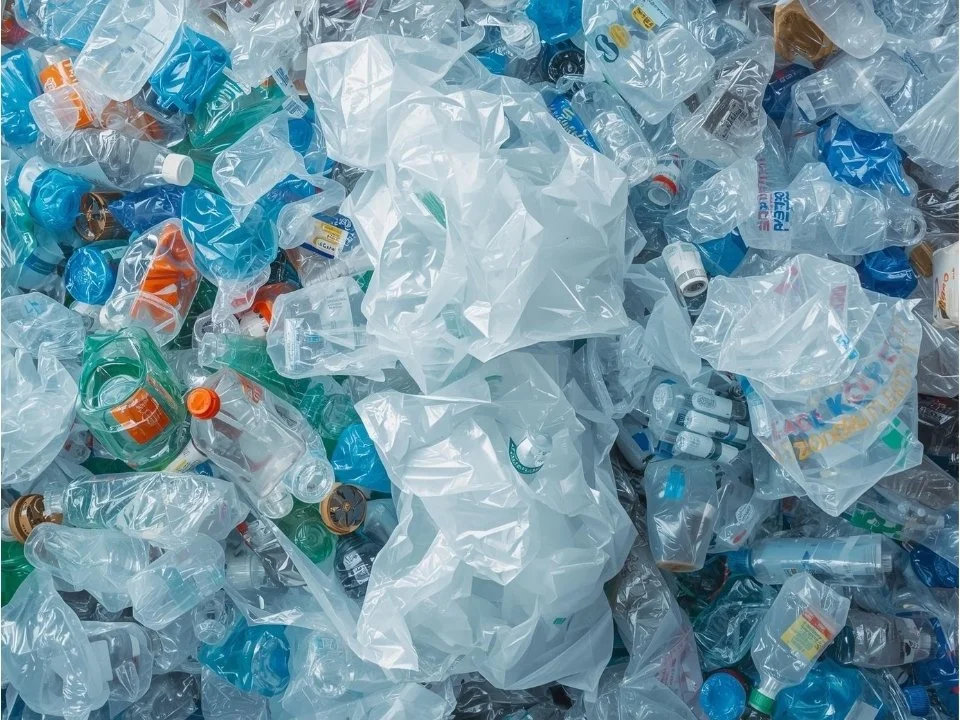
Cawleys deals with multiple types of plastic waste from its clients, including clear polythene, plastic buckets (a common food industry waste), Correx and polystyrene. The right equipment can save on collection costs and valuable space while strengthening your approach to recycling plastic waste.
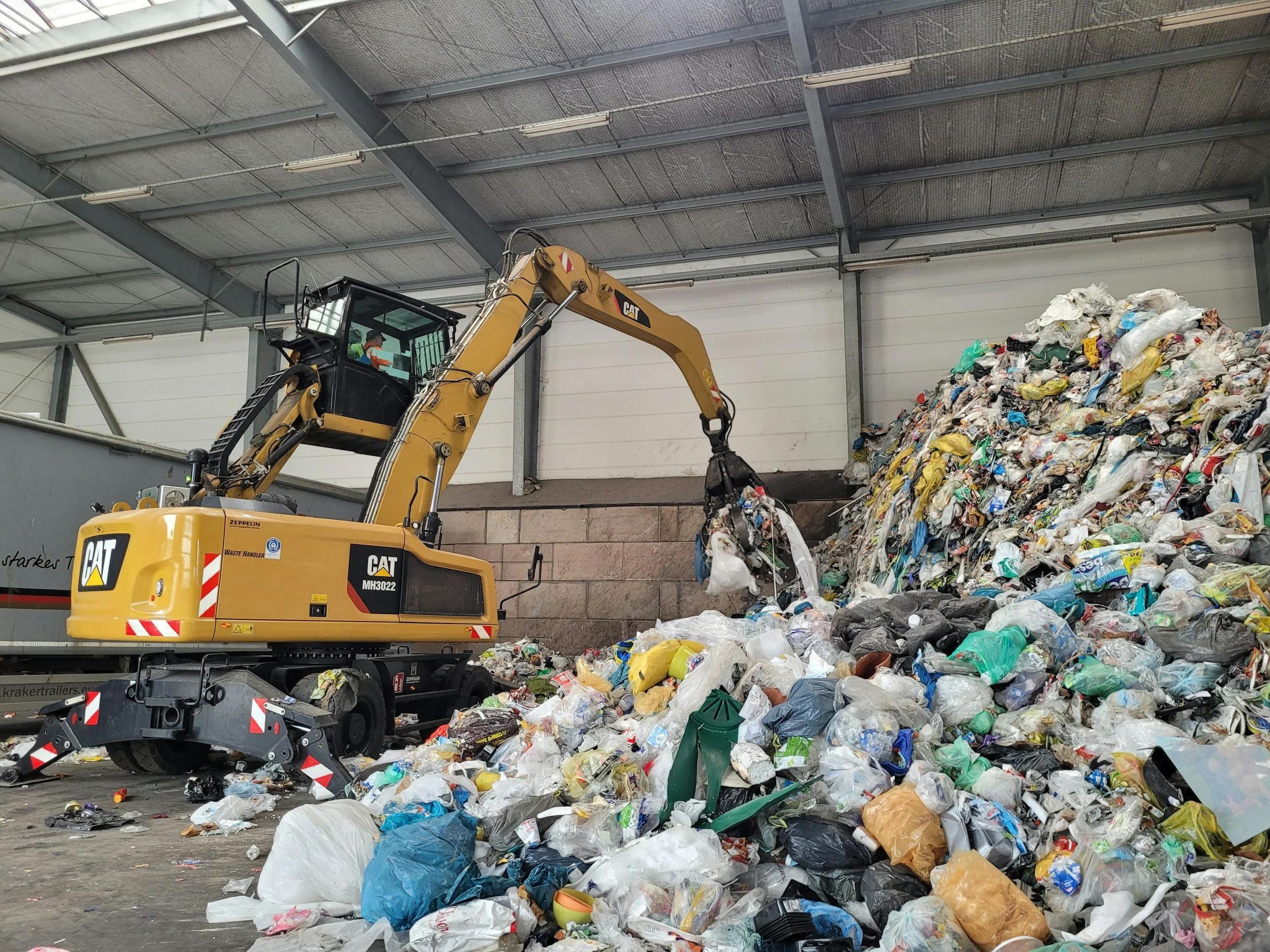
For high-volume producers, managing bulky plastic waste on-site is often the biggest hurdle. Without the right tools, you are essentially paying to transport air. For example, for a high producer of polystyrene packaging plastic waste, an Expanded Polystyrene Reducer can dramatically reduce transportation costs and enable the recycling of plastic waste that would otherwise be difficult to process. In some cases, non-recyclable residues may be directed toward energy recovery in line with the waste hierarchy.
For larger bulk producers of LDPE film (clear plastic wrap), we regularly provide on-site balers to produce mill-sized or smaller bales, making it easier for transportation and storage. These balers compress loose plastic waste into dense, manageable units, improving site safety and supporting efficient plastic recycling. By reducing the collection frequency needed, you directly lower your operational costs and vehicle emissions associated with waste management logistics.
The Journey of Your Plastic Waste
Once collected, single polymer segregated plastics are bulked up and transported by Cawleys to the reprocessors, where they are shredded or granulated to produce a 're-grind' recycled material that can be made into new plastic products. This closed-loop process is central to the process of recycling plastic waste and reducing reliance on virgin plastic and other finite raw materials.
Once the plastics are sorted into their respective categories, they are sent to specialised UK-based reprocessors. This supports local authorities and the local economy while reducing the 'waste miles' associated with exporting materials abroad. The resulting pellets or flakes become high-quality recycled plastic used to create everything from new drink bottles and garden furniture to construction materials and window frames.
Why Choose Cawleys for Your Plastic Recycling?
Choosing the right partner for your plastic waste recycling involves more than just finding a collection truck. It requires a partner with the infrastructure, legal expertise, and environmental commitment to handle your plastic waste responsibly.
-
Local Expertise with National Standards
With a deep presence across the Home Counties, we provide a localised service aligned with the local authorities while adhering to strict national waste management standards.
-
Full Traceability
We provide comprehensive waste transfer notes and reporting, giving you total peace of mind that your plastic waste is being recycled legally and ethically. This transparency supports better reporting on recycled plastic outputs and overall plastic recycling performance.
-
Expert Guidance on UK Legislation
The landscape of waste management regulation is shifting. From Defra updates to the latest on the Plastic Packaging Tax, our team keeps you informed so you can avoid penalties and improve your approach to waste plastic waste recycling.
-
Cost-Effective Solutions
Description goes By improving your segregation and utilising our specialist equipment, we help you turn plastic waste into valuable recycled plastic, strengthening your sustainability strategy and reducing disposal costs.here
Enhancing Your Sustainability Profile
Sustainability is no longer a buzzword. It is a core metric for business success. Consumers and B2B clients alike are increasingly scrutinising the environmental credentials of their suppliers. By implementing a robust plastic recycling programme with Cawleys, you are making a tangible commitment to responsible waste management.
Every tonne of recycled plastic produced through effective recycling of plastic waste saves approximately 3.8 barrels of oil. By diverting your HDPE, PET, and LDPE plastic waste from incineration, you reduce emissions and limit reliance on virgin plastic. Our team can provide you with detailed impact reports, showing exactly how much plastic waste you have diverted from landfill and how much high-quality recycled plastic has been generated. These insights help demonstrate the environmental value of structured waste plastic recycling systems.
Frequently Asked Questions About Plastic Recycling
-
Black plastic is historically difficult for optical sorters to detect. However, at Cawleys, we support advanced waste plastic recycling techniques, including emerging chemical recycling solutions for challenging plastic waste streams.
-
Usually, if you are producing more than 10-15 bales of plastic waste per month, an on-site baler becomes highly cost-effective for structured waste plastic recycling.
-
While "clinical" cleanliness isn't always required, plastic waste must be free from significant food contamination or liquids. Heavily soiled materials such as pet food pouches can downgrade an entire load, affecting plastic recycling outcomes and the quality of resulting recycled plastic.
-
If you manufacture or import 10 tonnes or more of plastic packaging containing less than 30% recycled plastic, you may be liable for the tax. Increasing the use of recycled plastic instead of virgin plastic helps reduce liability while strengthening waste management plastic recycling performance.
Get Started with a Professional Waste Audit
Not sure where to start? Our expert team can visit your site to conduct a comprehensive waste audit. We will identify the types of plastic waste you are producing, assess your current disposal methods, and provide a tailored plan to increase your plastic recycling rates, enhance rigid plastic recycling, and reduce costs through smarter waste management plastic recycling. This is the first step toward a more efficient, sustainable, and compliant waste management strategy.
Contact us today for a quote, free waste audit or a confidential discussion about your plastic waste collection and plastic recycling services.