Dry Mixed Recycling
Simple, Sustainable Waste Solutions for Your Business
Boost your recycling rates and reduce disposal costs with a single-bin dry mixed recycling solution tailored for UK businesses.
Stop Sending Your Profits to Landfills
Managing commercial recycling can be time-consuming and costly for businesses. Without an effective waste management strategy, valuable recyclable materials often end up in general waste, increasing disposal costs and landfill tax liabilities.
A reliable dry mixed recycling service helps streamline waste handling, improve sustainability performance, reduce costs, and support compliance with evolving UK environmental regulations.
Is This Your Business?
Overwhelmed by multiple bins for different materials taking up valuable workspace?
Concerned about high general waste disposal costs and unpredictable excess weight charges?
Struggling to meet strict UK environmental compliance requirements and sustainability targets?
Frustrated by unreliable waste collectors who miss scheduled collections without communication?
The Real Cost of Inaction
When different materials are mixed with wet rubbish, the entire bin becomes contaminated. This contaminated mixed dry recycling waste cannot be processed and must be redirected to a landfill, resulting in heavy penalty fees and higher overall waste management costs.
Failing to separate your dry mixed waste streams causes your business to actively miss out on circular economy benefits while paying premium rates for standard landfill waste disposal.

Commercial Dry Mixed Recycling Made Easy
-
Exceptional Cost Efficiency
Dry mixed recycling is far more economical than throwing all your commercial waste into general waste containers. Landfill tax rates in the UK rise consistently. Diverting light, recyclable packaging from your general waste streams enables you to lower your waste disposal costs immediately.
-
Operational Simplicity
With our dry mixed recycling services, there is no need for your employees to waste time separating cardboard boxes, plastic bottles, and aluminium cans into different materials. Providing one bin for multiple dry recyclables makes waste disposal effortless for your staff.
-
Promoting Sustainability
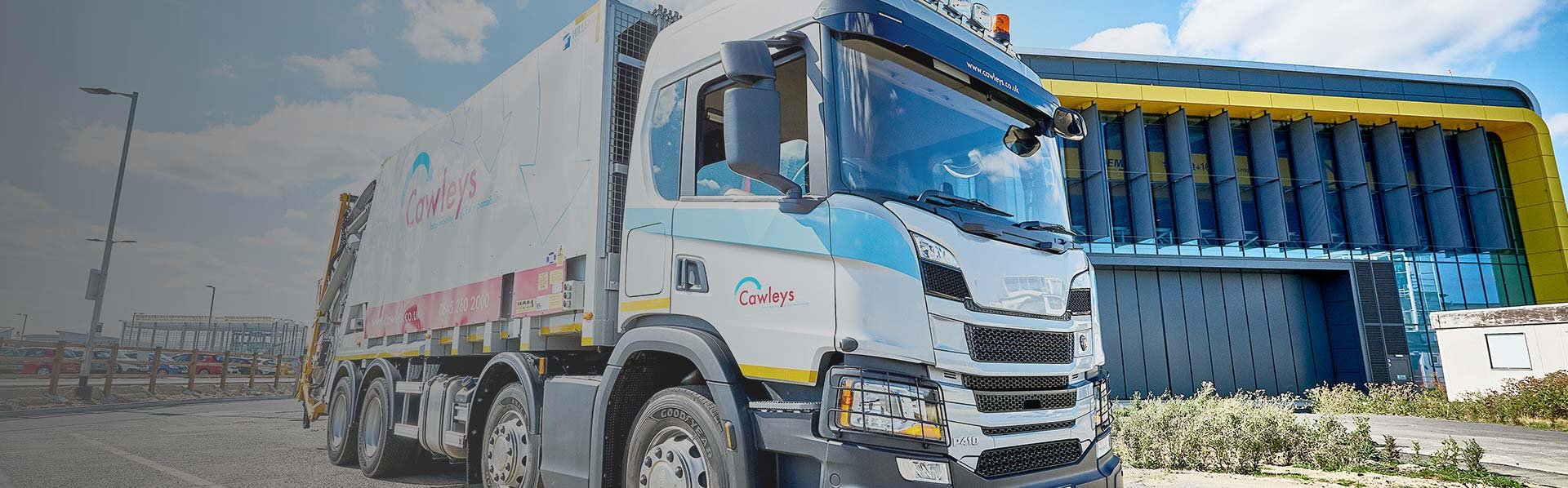
Every metric ton of mixed dry recycling waste collected by Cawleys is taken to our Waste Transfer Station in Luton, where it is carefully sorted and reprocessed back into raw materials. This process plays a crucial role in reducing your overall environmental impact.
-
Flawless Regulatory Compliance
As a fully licensed waste carrier, Cawleys ensures your business stays compliant with the latest UK waste regulations. We provide complete, transparent documentation and accurate reporting, giving you total peace of mind that your commercial waste is handled responsibly and legally.

Tailored Dry Mixed Recycling Services for Every Business Size
Every business has different waste management needs. That is why our dry mixed recycling solutions are fully scalable, offering tailored commercial plans to match your exact waste volumes.
Our Comprehensive Dry Mixed Recycling Service Includes:
A Wide Range of Containers
From standard 240-litre and 1100-litre wheelie bins up to massive bulk containers and compactors designed to save space at high-volume commercial sites.
Flexible Collection Scheduling
Rely on our local fleet for weekly, fortnightly, or ad-hoc scheduled collections that fit your specific operational hours.
Clear Guidance and Signage
High-visibility bin labels, poster guides, and clear guidelines to help your staff identify permitted items and prevent costly bin contamination.
Local Processing Capabilities
Secure transport of your dry mixed recycling collection to our licensed facilities, keeping road miles and associated emissions to an absolute minimum.
What Can Go in My Dry Mixed Recycling Bin?
To keep your commercial recycling program running smoothly and prevent penalties, it is important to understand exactly what materials can be placed in your dry mixed recycling bins and which ones must go into separate recycling streams.
Permitted Items (What You Can Put In)
Paper & Office Paper
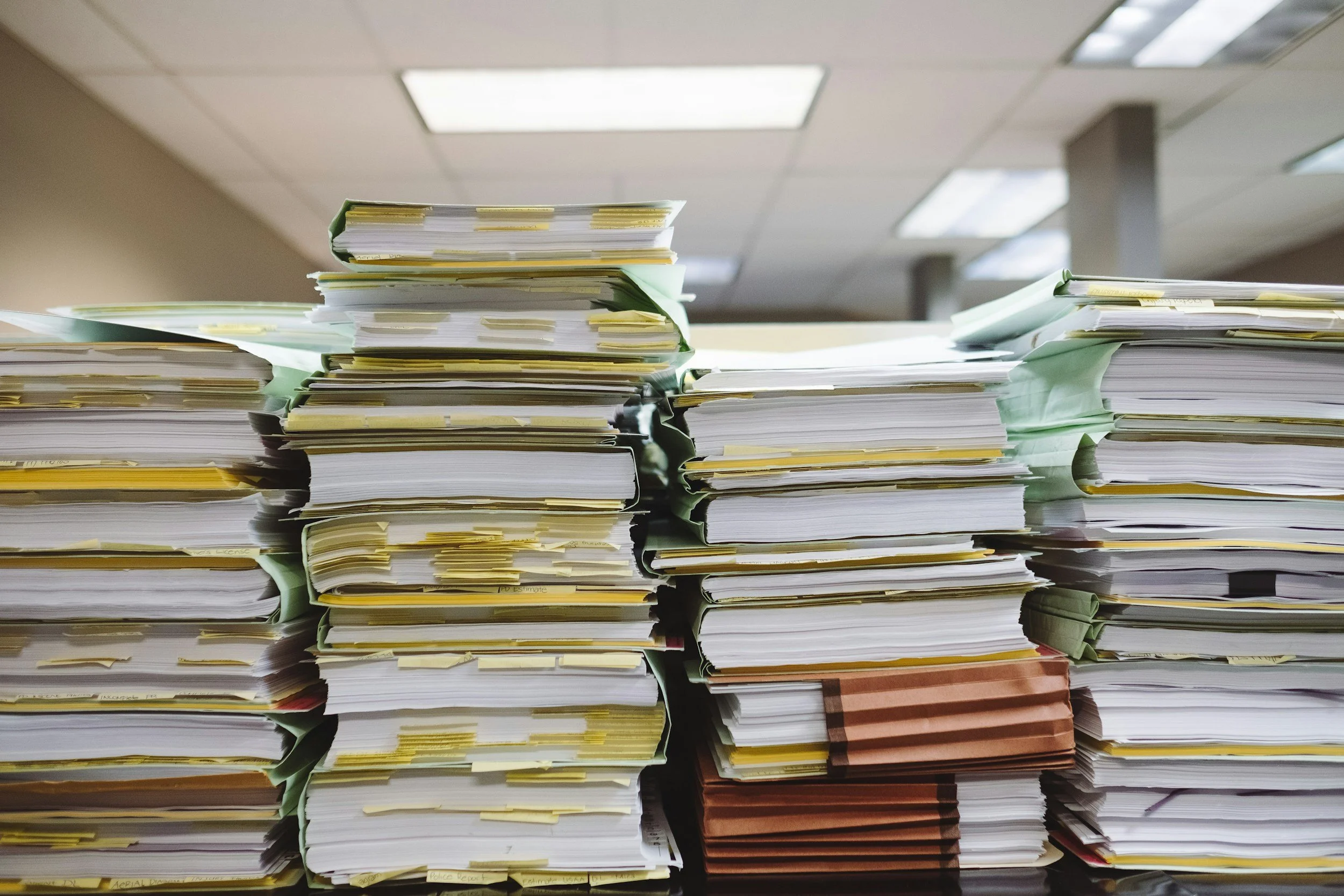
You can recycle clean office letters, brochures, marketing materials, and billing invoices.
Cardboard Waste & Cardboard Boxes
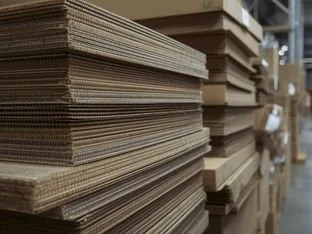
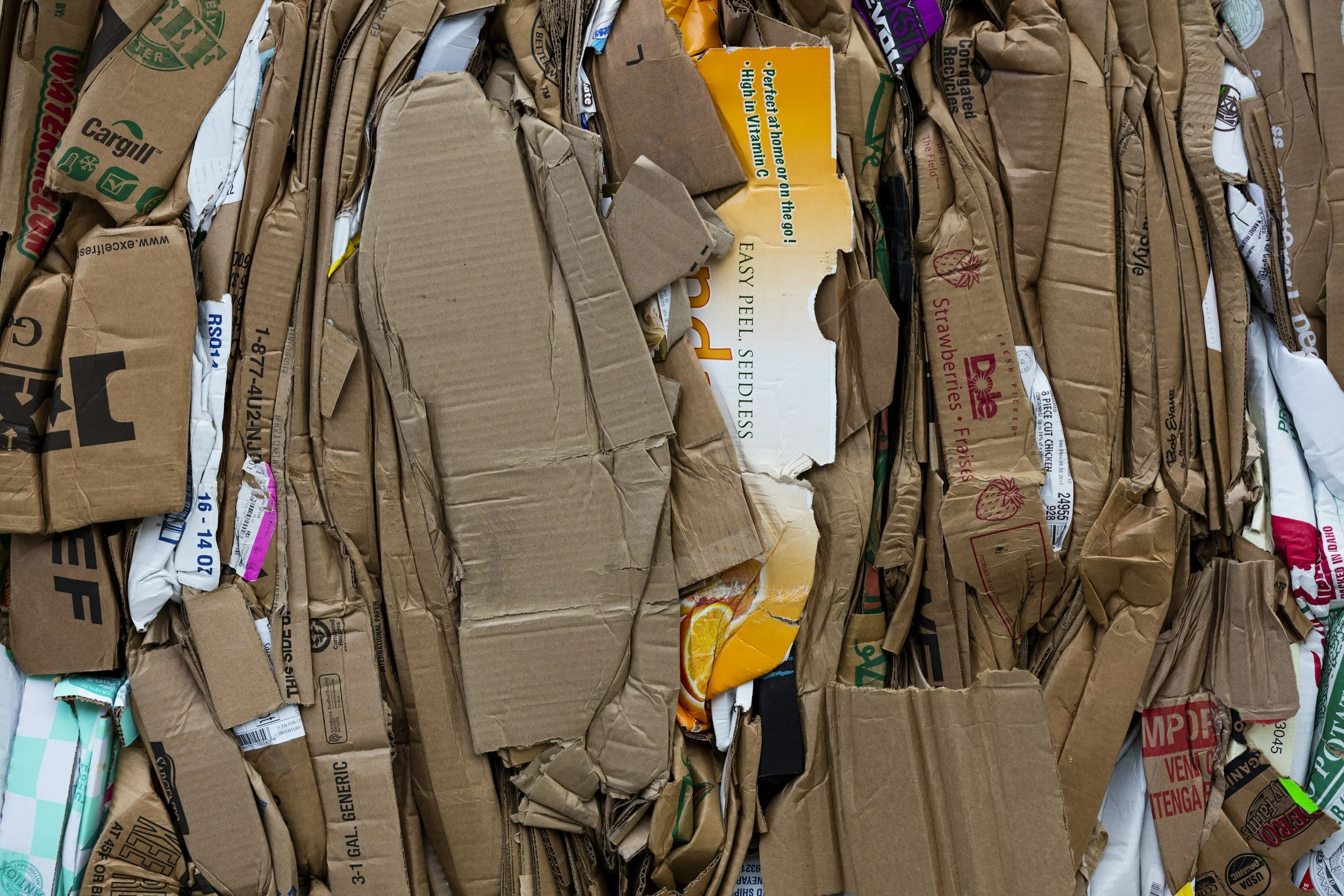
Empty packaging boxes, transport containers, and clean cardboard sleeves are highly accepted.
Plastics & Plastic Containers
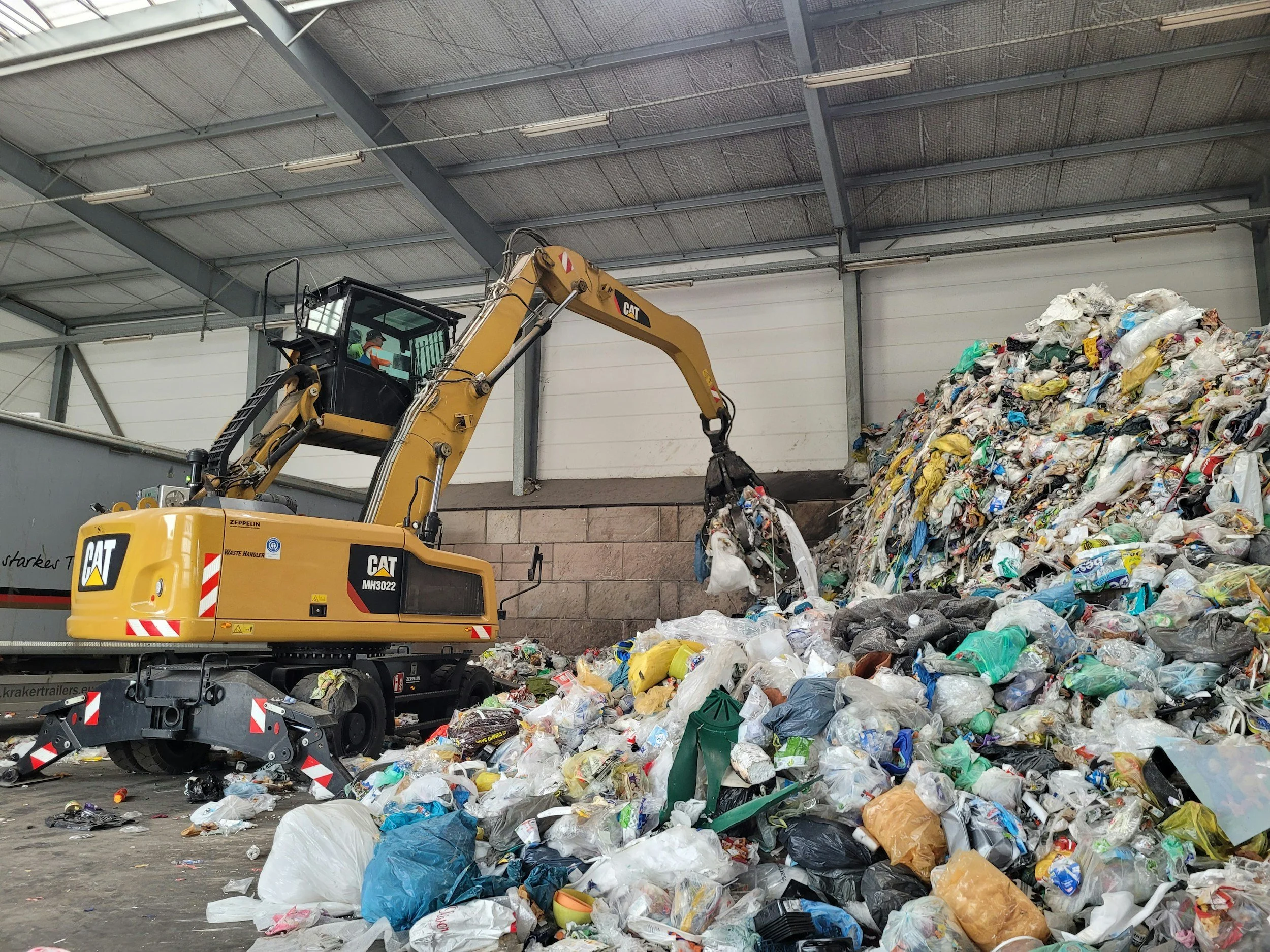
This category includes empty clean milk bottles, rigid plastics, tubs, and clean food containers.
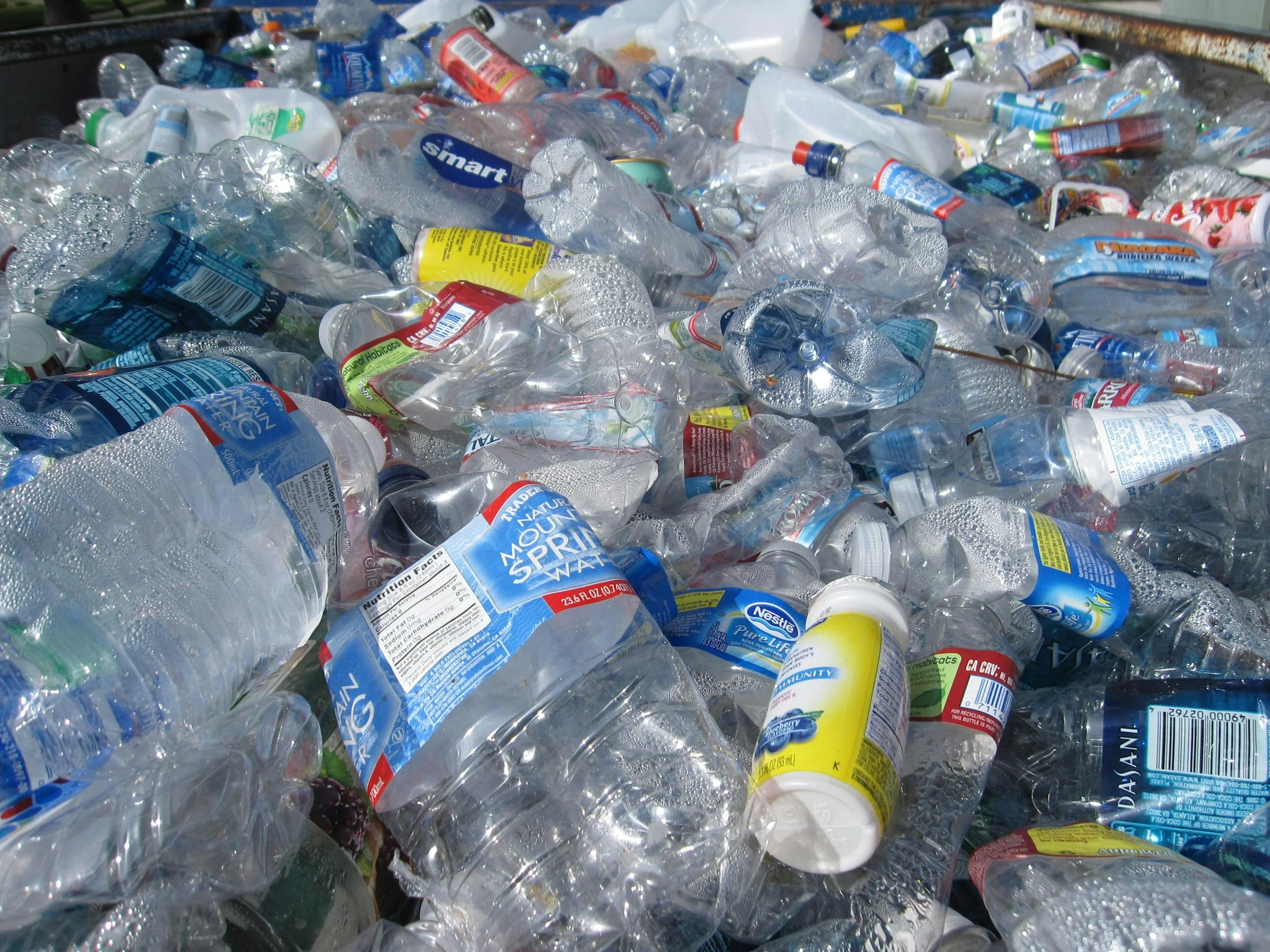
Plastic Bottles & Packaging
Clear plastic drinks bottles and clean, clear plastic packaging materials can easily be processed.
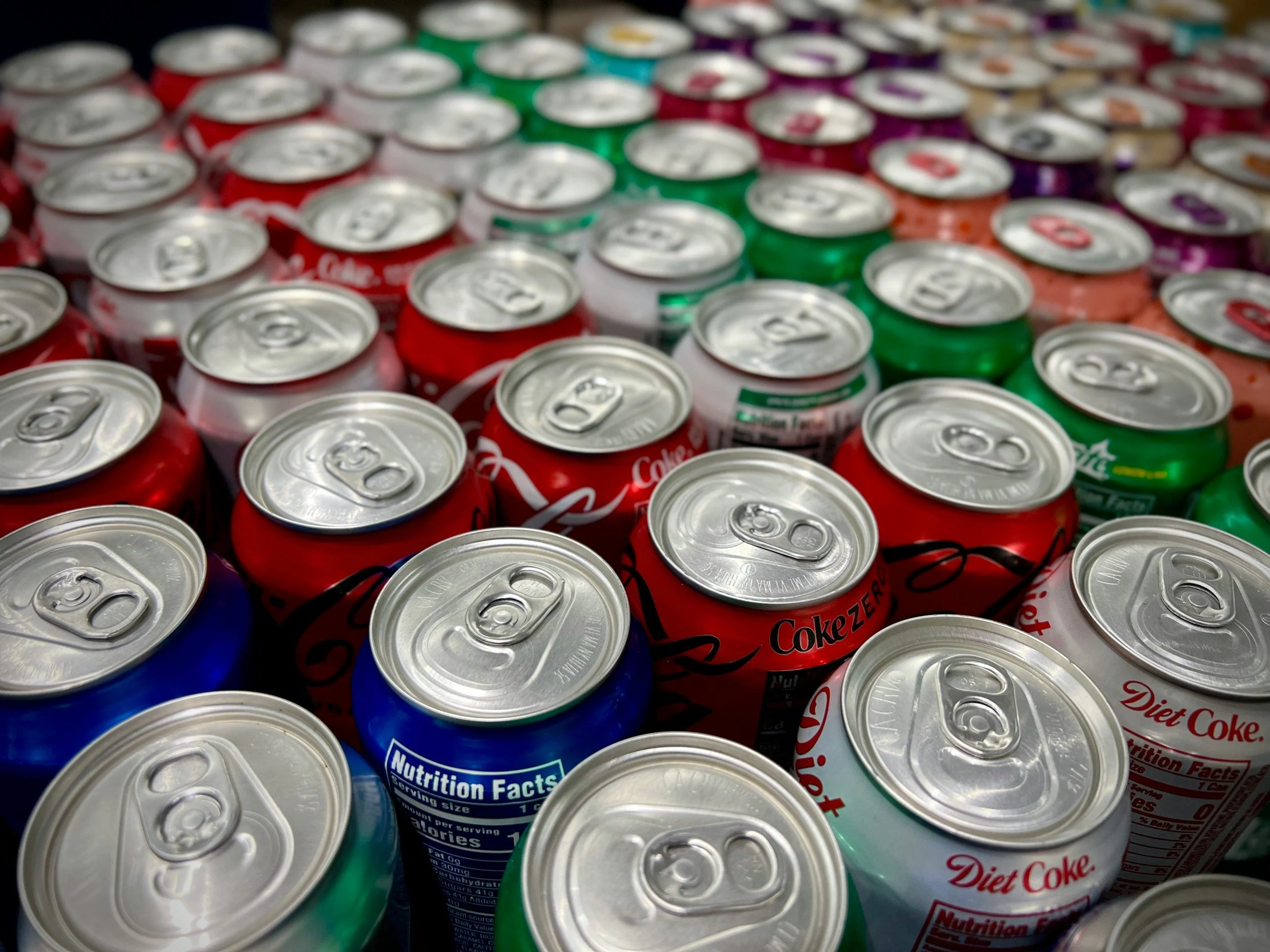
Metal Cans, Tin Cans & Aluminium Cans
Empty and clean beverage cans, tin soup cans, and metal food containers are fully permitted.

Paper Coffee Cups
Clean takeaway paper coffee cups are gladly accepted, provided any plastic lids are completely removed.
Prohibited Items (What Must Stay Out)

Food Waste
Organic waste must be completely excluded and diverted to our specialised food waste composting and anaerobic digestion services.
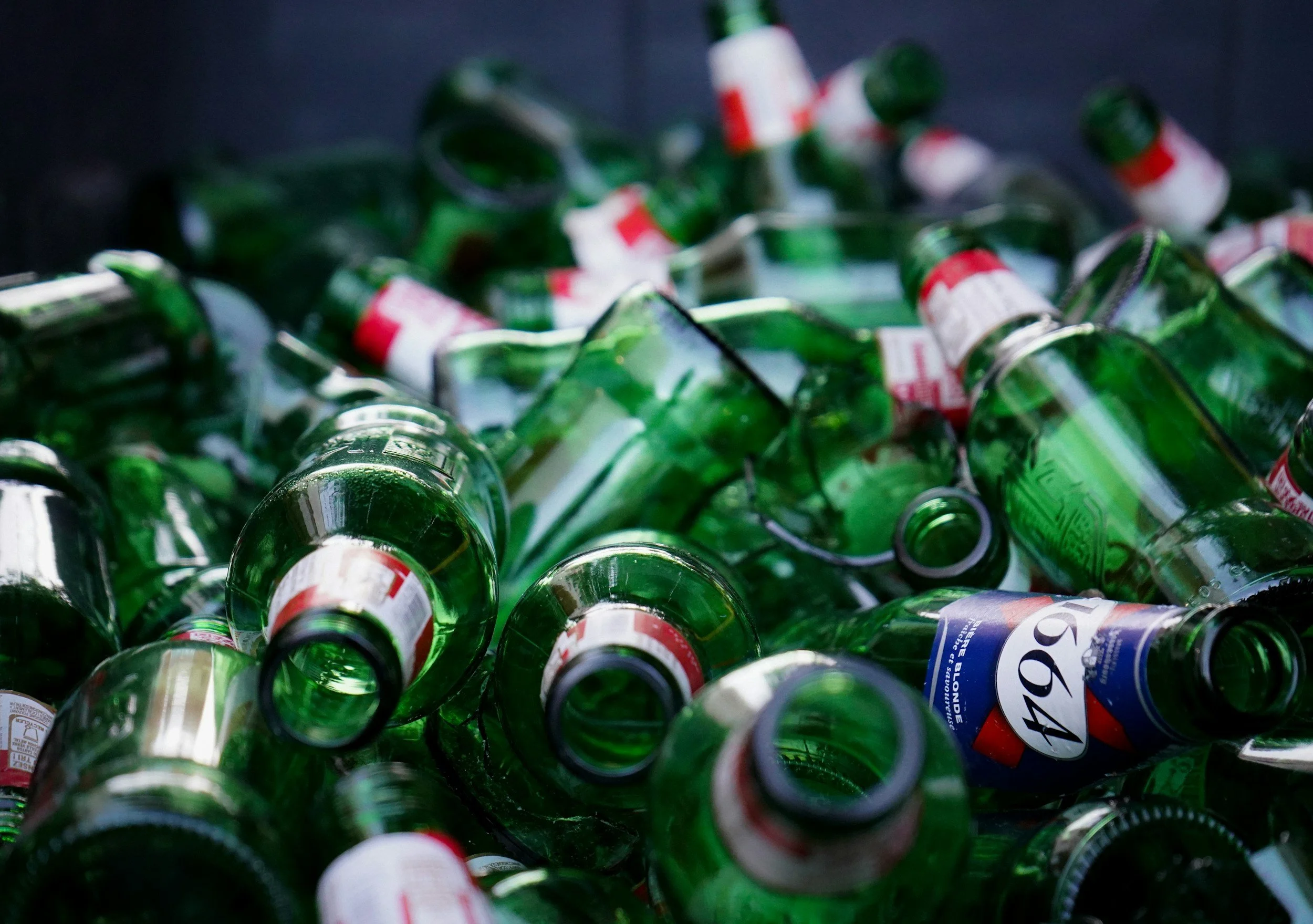
Glass Bottles & Glass Jars
Glass must be kept separate for safety and handled via our specialised commercial glass recycling collections.
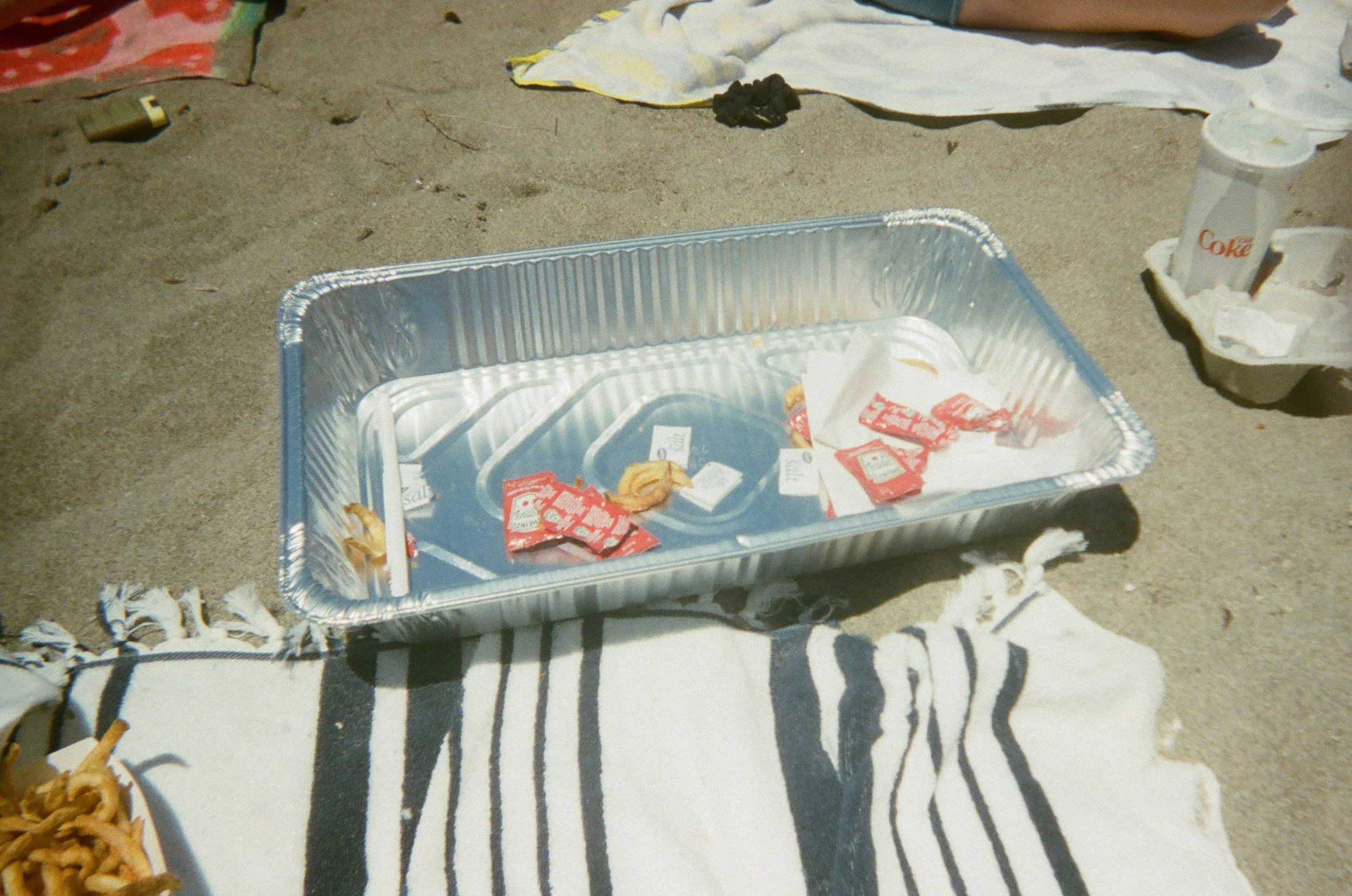
Liquids, Food Trays & Wet Packaging
Wet or greasy packaging contaminates dry paper and cardboard, rendering the entire container unrecyclable.
Plastic Bags & Black Bin Liners
Standard black bin bags are forbidden inside dry mixed recycling bins unless you are using explicitly approved clear recycling bags.
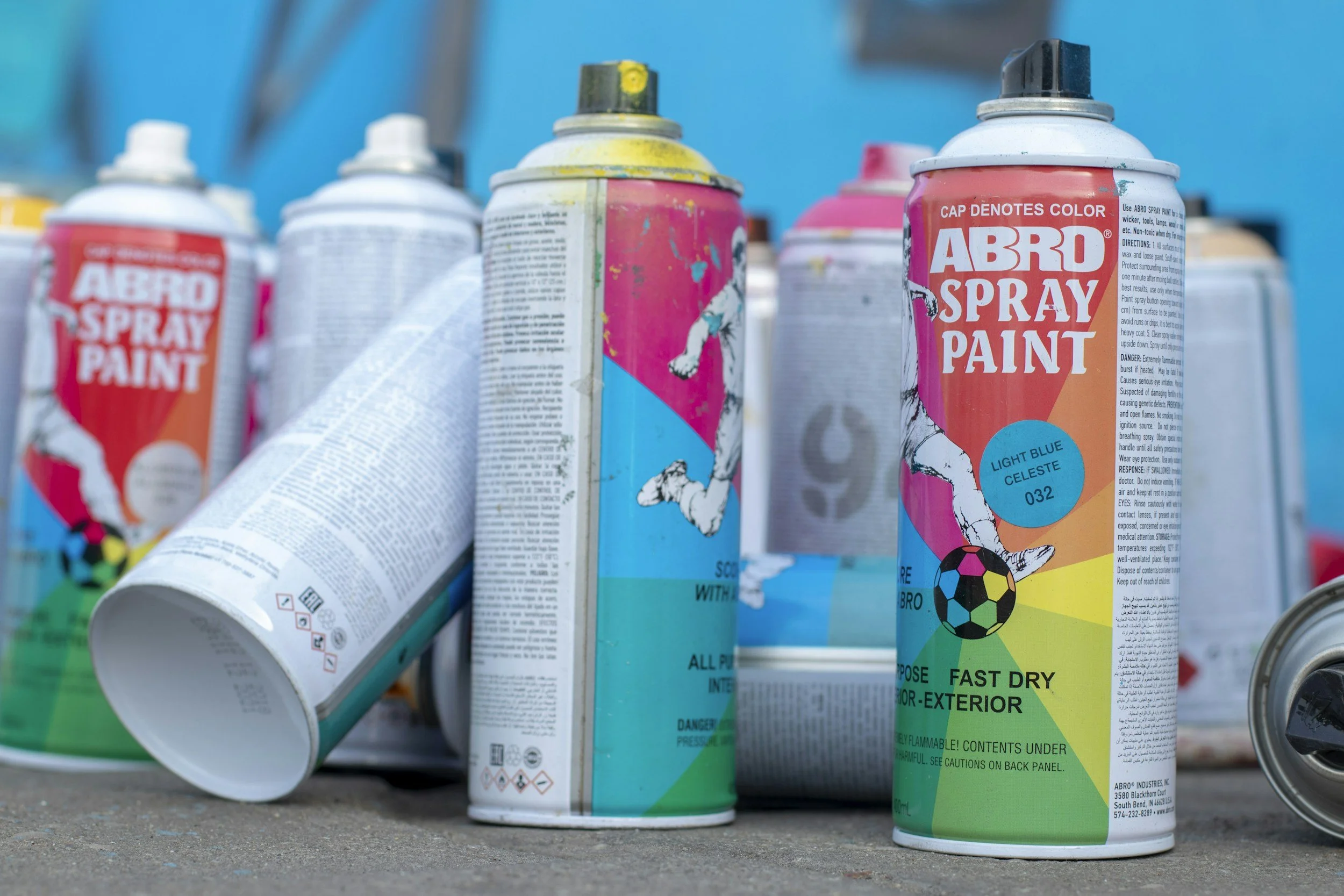
Hazardous Waste
Dangerous items like commercial aerosols, battery packs, and electronic WEEE waste require specialised collection services.
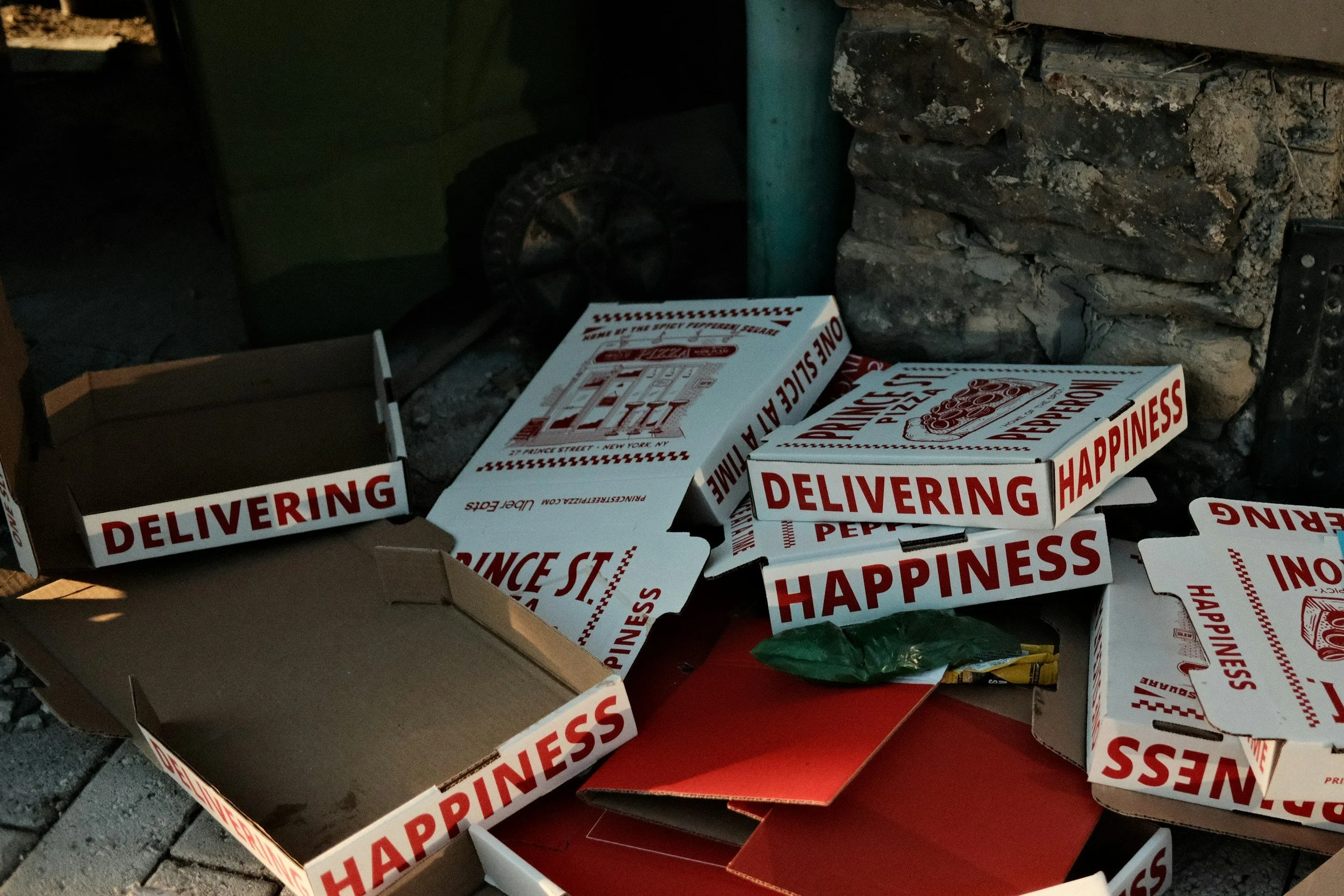
Wet, Dirty, or Greasy Materials
Highly soiled materials, such as greasy takeaway pizza boxes, contaminate clean streams and must stay out.
What Can Go in My Dry Mixed Recycling Bin?
To keep your commercial recycling program running smoothly and prevent penalties, it is important to understand exactly what materials can be placed in your dry mixed recycling bins and which ones must go into separate recycling streams.
-
Step 1: Expert Consultation
Our experienced waste management team conducts an in-depth audit of your current waste streams, identifying opportunities to divert recyclables from general waste and save space.
-
Step 2: Bespoke Service Proposal
We design a tailored dry mixed recycling plan, recommending the exact mix of wheelie bins, containers, and collection frequencies needed to match your budget.
-
Step 3: Fast On-Site Setup
We deliver clean, branded dry mixed recycling bins directly to your UK premises, complete with clear signage to ensure your staff understand how to use them.
-
Step 4: Reliable, Scheduled Collections
Our local, modern vehicle fleet completes your collections exactly as planned. We pride ourselves on dependable communication, ensuring you are never left in the dark.
-
Step 5: High-Tech Materials Recovery
Your mixed dry recycling waste is transported to our Waste Transfer Station. Here, automated screens, magnets, and optical sorters separate the plastics, metals, paper, and cardboard to prepare them for reprocessing.
-
Step 6: Reporting and Optimisation
We provide comprehensive data reports detailing your dry mixed recycling performance. These insights help you track your sustainability progress, reduce contamination rates, and lower your overall waste management costs.
Over 75 Years of Waste and Recycling Expertise
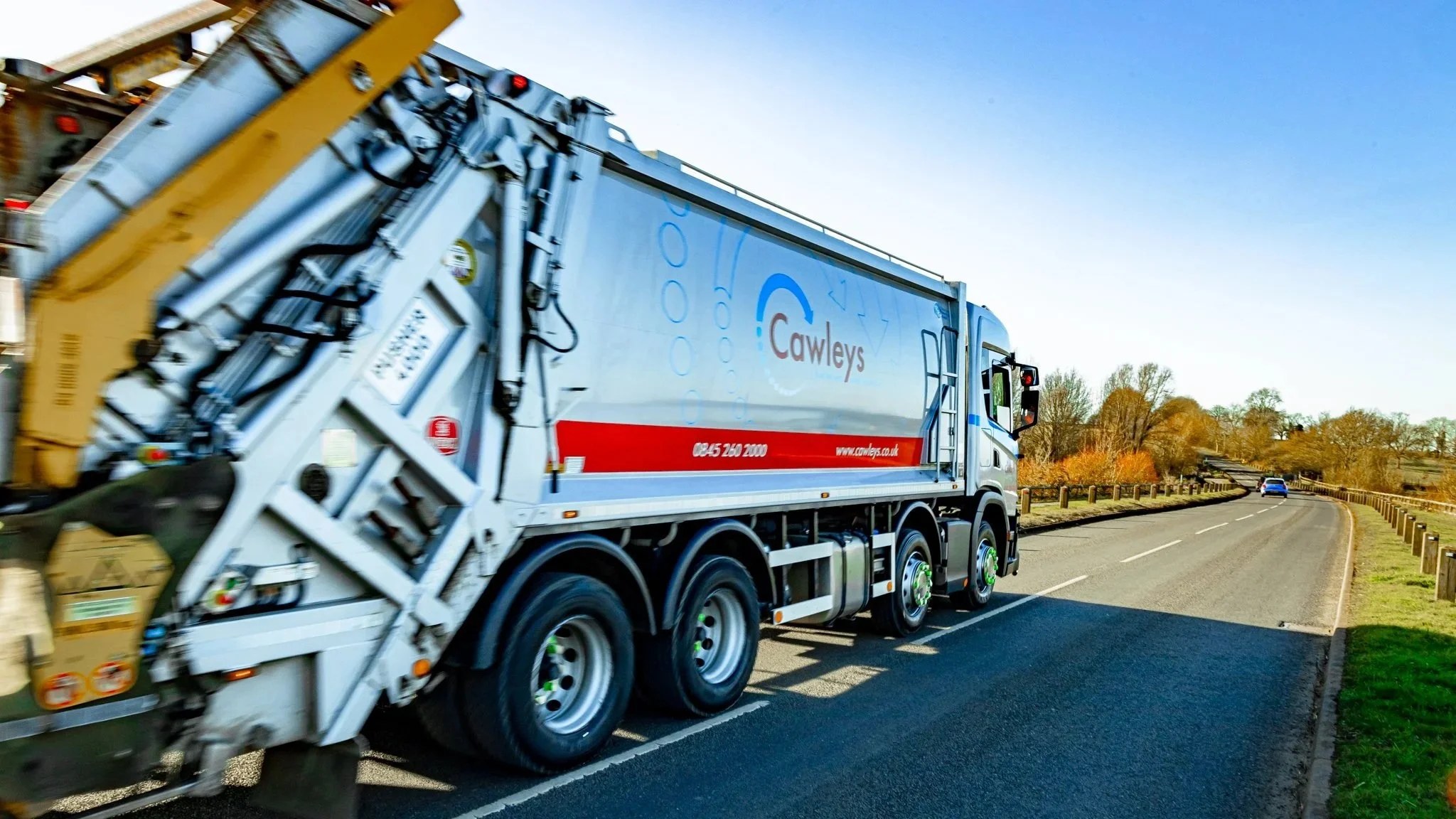
Founded in 1947 by Reg and Frank Cawley, Cawleys has been delivering trusted recycling and waste management services across Bedfordshire, Buckinghamshire, Northamptonshire, and beyond for over 75 years. Now part of SUEZ recycling and recovery UK, we combine local expertise with the resources of a global environmental services leader.
As an award-winning, fully licensed waste carrier, we provide reliable commercial recycling solutions, including dry mixed recycling, from our permitted waste transfer station in Luton. We also manage complex waste streams, ensuring full compliance and the highest safety standards.
Why Dry Mixed Recycling is Critical for Modern Business
A structured dry mixed recycling programme is no longer just an environmental initiative. It’s a smart business decision.
As landfill costs and sustainability requirements continue to rise, dry mixed recycling helps businesses reduce waste disposal expenses while improving environmental performance. Collecting paper, cardboard, metals, and plastics in a single stream simplifies waste management and increases recycling rates.
Dry mixed recycling also supports lower carbon emissions by reducing the need for virgin raw materials. Separating recyclable materials from general waste creates opportunities for other sustainable solutions, including food waste recycling, anaerobic digestion, glass recycling, and commercial composting.
Key Differences: Dry Mixed Recycling vs General Waste Disposal
To help you understand the true value of sorting your commercial waste streams, consider these fundamental operational and financial comparisons:
Disposal Cost and Fees: A dry mixed recycling service offers highly economical collection rates. In contrast, standard general waste disposal commands premium rates due to heavy, rising UK landfill taxes designed to penalise non-recycling commercial operations.
Environmental Impact: Choosing dry mixed recycling has an extremely low environmental impact because materials are processed back into useful raw resources. General waste has an exceptionally high impact, as mixed materials are left to decay in landfills.
Resource Recovery: Dry mixed recycling guarantees maximum resource recovery by diverting office paper, cardboard boxes, rigid plastics, and metal cans back into manufacturing. General waste offers zero recovery.
Operational Ease: Setting up a dry mixed recycling DMR stream is highly convenient for your staff, using just a single bin for all dry, clean recyclables. General waste disposal is moderately straightforward but demands constant awareness to avoid throwing hazardous items, liquids, or electronics into general bins.
Typical Target Materials: Your DMR bins are specifically reserved for light, dry packaging. General waste bins are strictly intended for non-recyclable packing materials, soiled sweepings, and heavily contaminated wet materials.
Frequently Asked Questions
-
Commercial dry mixed recycling bins are designed to collect clean, dry commercial packaging materials. You can dispose of office paper, cardboard boxes, rigid plastic containers, plastic bottles, tin cans, and aluminium cans. However, you must keep food waste, liquids, and glass jars out of these containers to prevent contamination.
-
DMR reduces your waste management costs by diverting lightweight, highly recyclable materials away from your expensive general waste stream. Because general waste is subject to rising UK landfill taxes, separating your dry mixed waste into a dedicated collection allows you to access lower disposal rates.
-
Following collection by our local fleet, your commercial dry mixed recycling is taken to our licensed Luton Waste Transfer Station. The materials are mechanically sorted into individual streams of paper, cardboard, plastics, and metals before being sent to specialist UK reprocessors.
-
Yes, Cawleys provides commercial dry mixed recycling services across a wide regional footprint. Our primary collection and waste management service areas include Luton, Milton Keynes, Wellingborough, Northampton, Aylesbury, St Albans, Watford, High Wycombe, and Harrow. Contact our local team today to set up your business collection schedule and receive a free quote.

Ready to Simplify Your Recycling and Save Money?
Streamline your commercial waste management, boost your business recycling rates, and protect your bottom line from rising landfill taxes. Partner with Cawleys, a SUEZ company, and let our 75 years of regional experience work for you.