
What is WEEE Waste? Why Proper Electrical Waste Recycling Matters More Than Ever
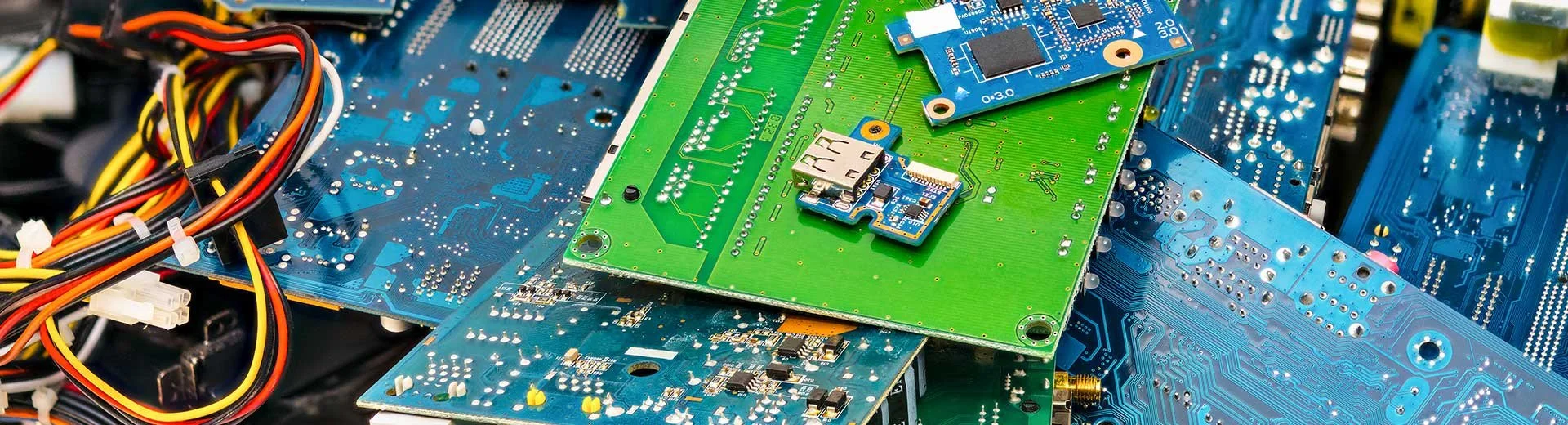
From laptops and printers to kettles, batteries, cables and fluorescent lamps, almost every business generates electrical waste. Yet many organisations are unaware that once these items reach the end of their useful life, they may be classed as Waste Electrical and Electronic Equipment (WEEE) and need to be managed correctly.
As environmental legislation continues to evolve and businesses face increasing scrutiny around sustainability and compliance, understanding your responsibilities has never been more important.
At Cawleys, we help organisations of all sizes safely collect and dispose of WEEE in a way that protects both the environment and your business.
What is WEEE Waste?
WEEE stands for Waste Electrical and Electronic Equipment. In simple terms, it's any electrical item that has reached the end of its life and is no longer wanted or working.
Examples include:
Computers, laptops and monitors
Mobile phones and tablets
Printers and photocopiers
Circuit boards
Servers and IT equipment
Kitchen appliances
Power tools
Lighting equipment
CCTV systems
Electrical testing equipment
Audio visual equipment
Many of these items contain valuable materials such as copper, aluminium and precious metals that can be recovered and reused. They may also contain hazardous substances, including batteries, mercury or other chemicals, making correct handling essential.
Why does WEEE matter?
Electrical waste is one of the fastest-growing waste streams in the world.
When disposed of incorrectly, WEEE can:
release hazardous substances into the environment
create fire risks, particularly where lithium batteries are involved
result in valuable materials being lost to landfill
leave businesses exposed to compliance issues
By recycling electrical equipment correctly, businesses help reduce landfill, conserve natural resources and support the UK's move towards a more circular economy.
Understanding your responsibilities
The UK's WEEE Regulations are designed to ensure electrical equipment is collected, treated and recycled responsibly rather than ending up in landfill or being illegally exported. They place responsibilities on manufacturers, importers, distributors and businesses handling electrical waste.
The regulatory landscape also continues to evolve. Recent updates have strengthened producer responsibilities, introduced new reporting requirements for online marketplaces and added a dedicated category for products such as e-cigarettes and vapes, reflecting the changing nature of electrical waste.
For businesses generating WEEE, the key message is simple: ensure your waste is collected and processed by an authorised provider who can demonstrate full compliance and provide the appropriate documentation.
The business benefits of recycling WEEE properly
Managing WEEE correctly isn't simply about meeting legal obligations. It can also deliver significant benefits for your organisation.
Demonstrate your sustainability credentials
Customers, investors and supply chain partners increasingly expect businesses to manage waste responsibly. Proper WEEE recycling supports your environmental commitments and ESG objectives.
Protect your reputation
Improper disposal of electrical waste can damage brand reputation and undermine customer confidence. Responsible recycling demonstrates good environmental stewardship.
Reduce risk
Working with a compliant hazardous waste specialist helps reduce the risk of environmental incidents, data security issues and regulatory breaches.
Recover valuable resources
Many electrical items contain reusable materials that can be recovered through specialist recycling processes, reducing the demand for virgin raw materials.
The risks of getting it wrong
Incorrectly disposing of WEEE isn't simply a missed recycling opportunity.
Businesses may face:
environmental harm caused by hazardous substances
increased fire risks from damaged or incorrectly stored batteries
potential enforcement action where waste has not been managed appropriately
loss of confidential information if IT equipment is not securely handled
reputational damage if waste is illegally disposed of or exported
Having the right processes in place protects your business as well as the environment.
How Cawleys can help
At Cawleys, we understand that every organisation is different. That's why we provide a tailored WEEE collection and recycling service designed around your business, your waste streams and your operational requirements.
Our experienced team can support with:
Collection of a wide range of WEEE
Safe handling of hazardous electrical items
Secure, compliant transport
Full documentation and audit trails
Advice on waste segregation and best practice
Flexible collection schedules to suit your operations
Whether you're replacing office IT equipment, clearing out a warehouse, upgrading machinery or managing electrical waste across multiple sites, we'll work with you to develop a solution that keeps your business compliant while maximising recycling opportunities.
Looking ahead
As regulations continue to evolve and expectations around sustainability increase, effective WEEE management is becoming an increasingly important part of responsible business operations.
By partnering with an experienced waste management provider, you can be confident your electrical waste is managed safely, compliantly and with the environment in mind.
If you'd like to review how your business currently manages WEEE or discuss a tailored collection service, the Cawleys team is here to help. Contact us today to speak to one of our team.
-
WEEE stands for Waste Electrical and Electronic Equipment. In simple terms, it's any electrical item that has reached the end of its life and is no longer wanted or working. Check out our dedicated hazardous waste page.
-
Examples of WEEE waste include:
Computers, laptops and monitors
Mobile phones and tablets
Printers and photocopiers
Circuit boards
Servers and IT equipment
Kitchen appliances
Power tools
Lighting equipment
CCTV systems
Electrical testing equipment
Audio visual equipment
-
Incorrectly disposing of WEEE isn't simply a missed recycling opportunity.
Businesses may face:
environmental harm caused by hazardous substances
increased fire risks from damaged or incorrectly stored batteries
potential enforcement action where waste has not been managed appropriately
loss of confidential information if IT equipment is not securely handled
reputational damage if waste is illegally disposed of or exported
Having the right processes in place protects your business as well as the environment.
-
At Cawleys, we understand that every organisation is different. That's why we provide a tailored WEEE collection and recycling service designed around your business, your waste streams and your operational requirements.
Our experienced team can support with:
Collection of a wide range of WEEE
Safe handling of hazardous electrical items
Secure, compliant transport
Full documentation and audit trails
Advice on waste segregation and best practice
Flexible collection schedules to suit your operations
Whether you're replacing office IT equipment, clearing out a warehouse, upgrading machinery or managing electrical waste across multiple sites, we'll work with you to develop a solution that keeps your business compliant while maximising recycling opportunities.