
How Veganuary affects business waste streams
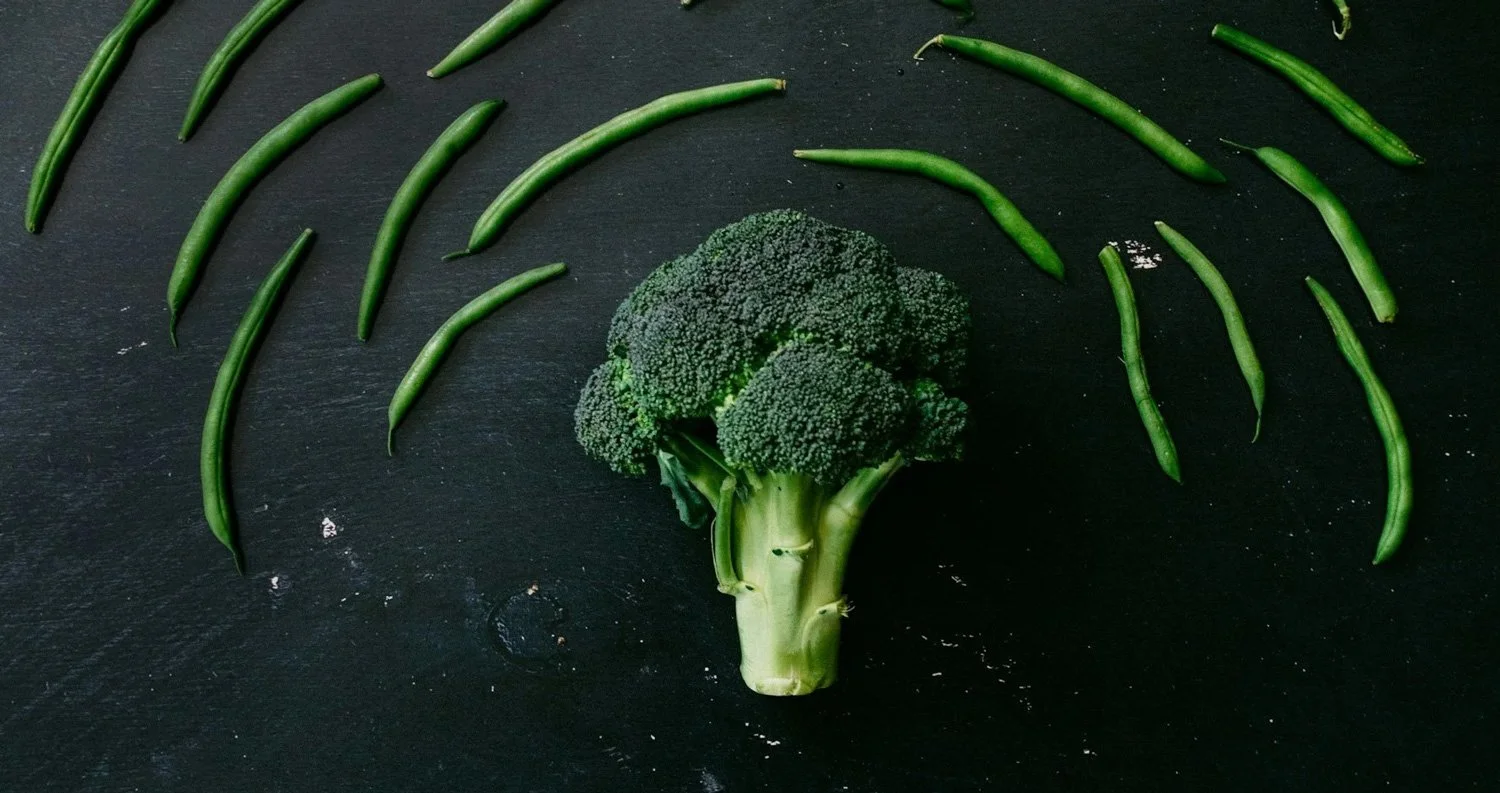
Veganuary is no longer just a consumer health trend. In 2026, participation in the campaign continues to grow across the UK, with 19% of all Brits choosing to go plant-based during January. For businesses, particularly those in hospitality, catering, and food retail, this annual shift brings both opportunity and operational change.
What often goes unnoticed is how Veganuary impacts waste. From new types of food waste to confusing compostable packaging, businesses must be ready to manage their waste differently to avoid rising costs, contamination, or compliance issues.
Plant-Based Popularity, Plant-Based Waste
As more customers request vegan options, businesses respond with new menus, larger stocks of fresh produce, and a wider variety of packaging. These changes can quickly affect your waste profile. Common patterns include:
A rise in fruit and vegetable waste, peelings, and offcuts
Unused stock if demand drops after January
Packaging labelled as compostable or biodegradable, which may not fit your current waste systems
Without the right processes, these shifts can lead to contamination across recycling or food waste bins, making it harder to dispose of waste efficiently and responsibly.
The Packaging Challenge: Know What You’re Throwing
Many plant-based products use packaging that appears eco-friendly, with labels such as compostable, biodegradable or plant-based. The challenge is that these materials often require specific disposal methods, such as industrial composting, which standard waste collections do not support.
For example, compostable trays that are mistakenly placed in food or recycling bins can contaminate whole batches. Biodegradable plastics do not break down in landfill or general waste either, leading to higher disposal risks and unnecessary waste processing costs.
Food Waste: New Menu, New Risks
While vegan meals often include fewer processed items, they rely more heavily on fresh ingredients with shorter shelf lives. This increases the chances of:
Spoilage during storage or prep
Waste from unfamiliar recipes or limited uptake
Leftover seasonal stock after January ends
Without planning, this can result in a spike in organic waste, which must be handled separately to avoid environmental and hygiene issues.
Opportunities to Improve Waste Systems
Veganuary is also a good time for businesses to reassess their food and packaging waste systems. A few simple changes can make a big difference:
Review menus and stock levels based on realistic demand
Make sure staff understand the difference between recyclable, compostable and general waste packaging
Ensure bins are clearly labelled and positioned in the right locations
Use food waste services that support anaerobic digestion and energy recovery
At Cawleys, we work with businesses to turn these seasonal pressures into long-term sustainability gains.
How Cawleys Supports You During Veganuary and Beyond
We understand that shifts in menu and customer habits affect how waste is produced and managed. That is why we offer services that are adaptable and informed by the needs of each client.
Our food and packaging waste services include:
Separate food waste collections that support anaerobic digestion
Guidance on compostable packaging and proper segregation
Zero-to-landfill policy across all commercial waste types
Clear training materials to help staff avoid cross-contamination
ESG reporting to support your sustainability and compliance goals
Whether you run a large kitchen or a small café, we help ensure your waste systems keep pace with seasonal trends.
Veganuary highlights how fast business operations can change, especially when it comes to food and packaging. Managing these changes properly is about more than meeting customer demand. It is about keeping waste efficient, compliant, and sustainable.
By preparing for seasonal shifts like Veganuary, your business can avoid costly mistakes and make real progress towards its environmental goals.
Need help adapting your waste services this January?
Contact Cawleys today for expert advice and a free waste audit. Our team is here to help you manage plant-based food and packaging waste with confidence and care.